Get Chimney Inspection Service in Grand Prairie, TX
Chimney Inspection Service providers in Grand Prairie, TX, and nearby areas assess and address issues like creosote buildup, blockages, cracks, and safety hazards through comprehensive inspections and repairs.
Chimney inspection services provide property owners in Grand Prairie, TX with a thorough assessment of their chimneys’ condition. Regular inspections help identify potential issues such as creosote buildup, cracks, or blockages that could compromise safety and functionality. Addressing these concerns early can prevent costly repairs, improve the efficiency of heating appliances, and ensure the chimney operates properly throughout the year. This proactive approach supports a comfortable living environment and helps maintain the property's overall durability and curb appeal.
Engaging professional chimney inspectors also offers peace of mind by reducing the risk of chimney fires or dangerous carbon monoxide leaks. Properly maintained chimneys contribute to a safer home, while ensuring optimal performance and reducing the likelihood of unexpected breakdowns. Property owners often seek these services to uphold their home's safety standards, enhance its appearance, and enjoy the long-term benefits of a well-maintained chimney system.
- Chimney Inspection - needed when homeowners notice smoke backup or draft issues in their homes.
- Pre-Listing Chimney Inspection - recommended before selling a property to ensure the chimney is in proper condition.
- Annual Chimney Inspection - advised for maintaining safety and performance of fireplaces and wood stoves in residential properties.
- Post-Repair Chimney Inspection - essential after chimney repairs or cleaning to verify proper function and safety.
- Troubleshooting Inspection - useful when experiencing odors, leaks, or unusual sounds from the chimney area.
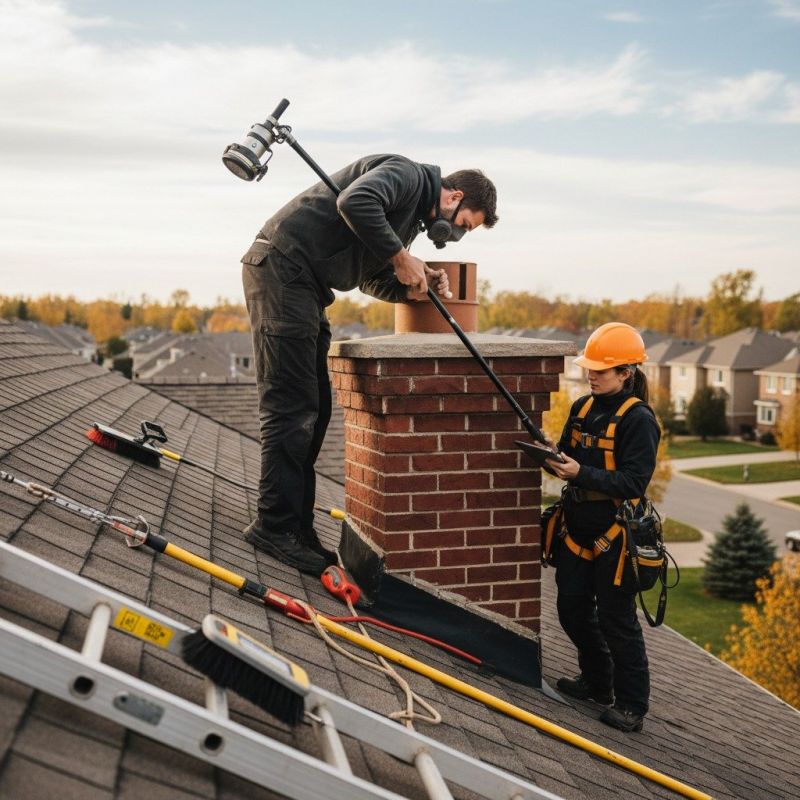
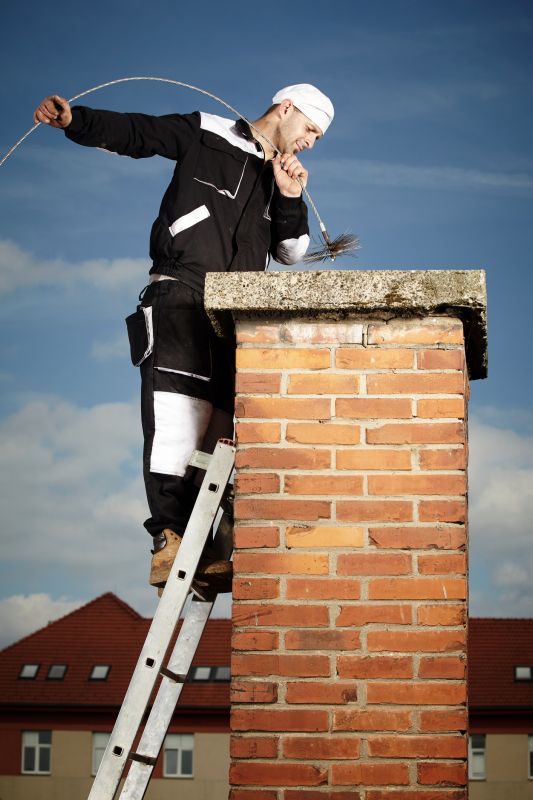
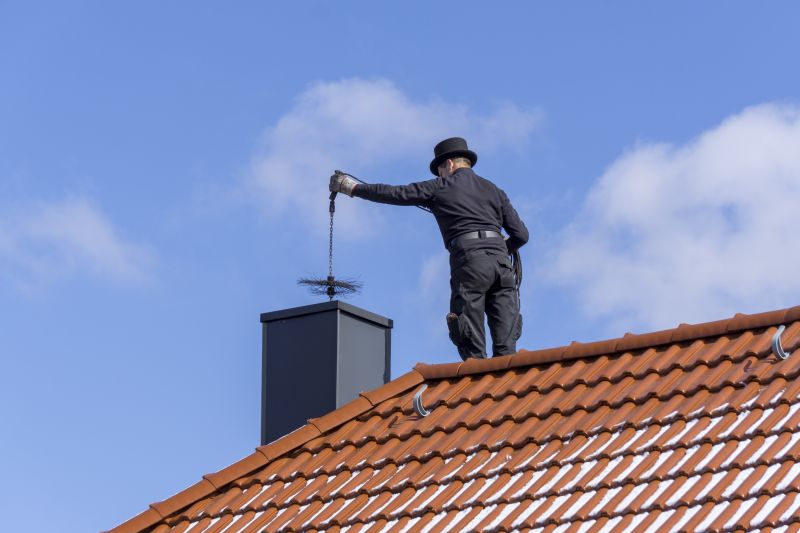
Chimney inspection services involve a thorough evaluation of a chimney’s condition to identify potential issues that could affect its safety and functionality. During an inspection, service providers examine the interior and exterior of the chimney, including the flue, masonry, and surrounding components. This process often includes checking for blockages, creosote buildup, cracks, and structural damage. Regular inspections can help detect problems early, preventing more serious issues that might lead to costly repairs or unsafe conditions.
These services are particularly valuable for addressing common chimney problems such as obstructions, deterioration, and buildup of creosote or soot. Obstructions like bird nests or debris can hinder proper venting, increasing the risk of smoke or harmful gases entering the living space. Structural issues, such as cracked bricks or damaged mortar, can compromise the chimney’s stability and safety. By identifying these issues during an inspection, homeowners and property managers can take appropriate action to resolve them before they escalate into more significant hazards.
Chimney inspection services are utilized across a variety of property types, including residential homes, multi-family dwellings, and commercial buildings. Homes with fireplaces, wood stoves, or pellet stoves frequently require regular inspections to ensure safe operation. Commercial properties with large chimneys, such as restaurants or industrial facilities, also benefit from routine inspections to maintain compliance and safety standards. In all cases, inspections help property owners maintain the integrity of their chimneys and ensure proper venting of combustion byproducts.
Engaging with local chimney inspection professionals provides property owners with expert assessments tailored to their specific needs. These specialists use industry-standard techniques to evaluate chimney systems, providing detailed insights into their condition. Routine inspections can help prevent potential fire hazards, improve venting efficiency, and extend the lifespan of chimney components. Contacting experienced service providers ensures that property owners receive comprehensive evaluations and guidance on necessary repairs or maintenance to keep their chimneys operating safely and effectively.
The overview below groups typical Chimney Inspection Service projects into broad ranges so you can see how smaller, mid-sized, and larger jobs often compare in Grand Prairie, TX.
In many markets, a large share of routine jobs stays in the lower and middle ranges, while only a smaller percentage of projects moves into the highest bands when the work is more complex or site conditions are harder than average.
Inspection Costs - The typical cost for a chimney inspection ranges from $100 to $300, depending on the level of inspection required. For example, a basic visual inspection might be closer to $100, while a more detailed assessment could be around $250 or more.
Service Fees - Service fees for chimney inspections generally fall between $150 and $350, which may include cleaning or minor repairs. Prices can vary based on the chimney’s size, accessibility, and the extent of the inspection needed.
Additional Expenses - Additional costs may be incurred for extensive repairs or specialized testing, often ranging from $200 to $500. These are typically separate from the initial inspection fee and depend on the findings.
Cost Factors - Factors influencing costs include chimney height, accessibility, and whether a full or partial inspection is performed. Local pros in Grand Prairie, TX, may provide quotes that vary within these typical ranges based on specific conditions.
Actual totals will depend on details like access to the work area, the scope of the project, and the materials selected, so use these as general starting points rather than exact figures.
Chimney Inspection - Local chimney inspection services assess the condition of a chimney to identify potential issues and ensure safe operation. These inspections help homeowners maintain their chimneys and prevent costly repairs.
Video Chimney Inspection - Video inspection services use specialized cameras to provide detailed views of the interior of chimneys, helping identify blockages, damage, or deterioration. This method offers a thorough evaluation without invasive procedures.
Chimney Flue Inspection - Flue inspection services examine the interior of chimney flues to detect obstructions, cracks, or buildup that could impact venting performance. Proper flue inspection is essential for safe and efficient chimney function.
Chimney Crown Inspection - Inspection of chimney crowns ensures the topmost part of the chimney is intact and free from cracks or deterioration. Maintaining the crown helps prevent water intrusion and structural damage.
Chimney Liner Inspection - Liner inspection services evaluate the condition of chimney liners to identify damage or deterioration that could pose safety risks. Proper liner assessment supports safe venting of exhaust gases.
Chimney Cap Inspection - Cap inspection services assess the condition and proper placement of chimney caps to prevent debris, animals, and water from entering the chimney. Ensuring a secure cap reduces potential blockages and damage.
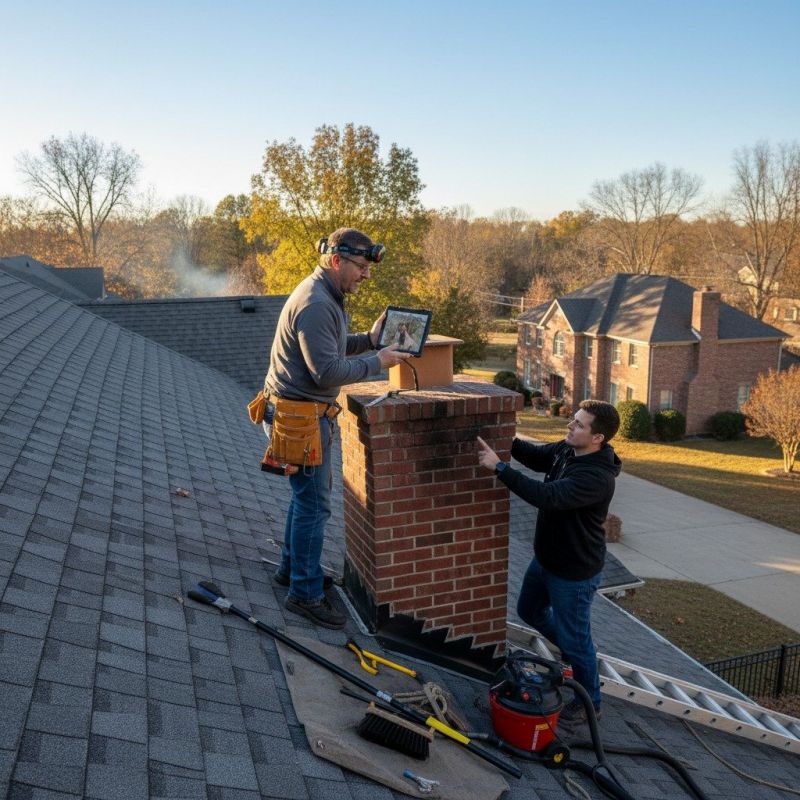
When selecting a chimney inspection service, it’s important to consider the experience of local professionals. An established provider with a history of performing thorough inspections can offer valuable insights into common issues and effective solutions. Homeowners should look for service providers who have a proven track record in the community, as this often reflects their familiarity with local chimney types and common concerns. While experience alone does not guarantee quality, it can be an indicator of a provider’s familiarity with industry standards and best practices.
Clear communication and well-defined written expectations are essential when working with a chimney inspection professional. Reputable service providers typically offer detailed explanations of their inspection process, what homeowners can expect during the visit, and any follow-up steps that may be necessary. Having transparent written expectations helps ensure that homeowners understand the scope of work and can make informed decisions. Professionals who prioritize open, ongoing communication are often more reliable and responsive, making the inspection process smoother and more straightforward.
References and reputation are key factors when comparing local chimney inspection services. Homeowners should seek out providers with positive referrals from neighbors, friends, or local review sources. Reputable professionals tend to maintain a strong standing within the community, which can be verified through feedback and recommendations. Additionally, a service provider’s reputation for professionalism, punctuality, and quality work can often be assessed through online reviews or word-of-mouth. While the information below introduces local options, it does not perform the inspections itself, but helps connect homeowners with qualified service providers in the area.
Property owners in Grand Prairie, TX use Chimney Inspection Service services for practical projects around their homes and businesses. The sections below highlight everyday jobs and straightforward project options.
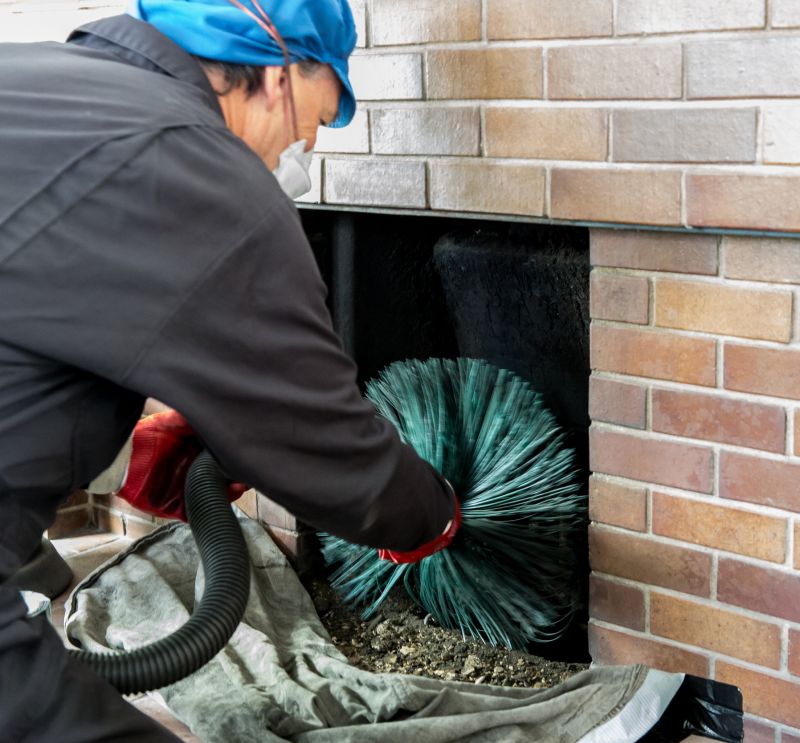
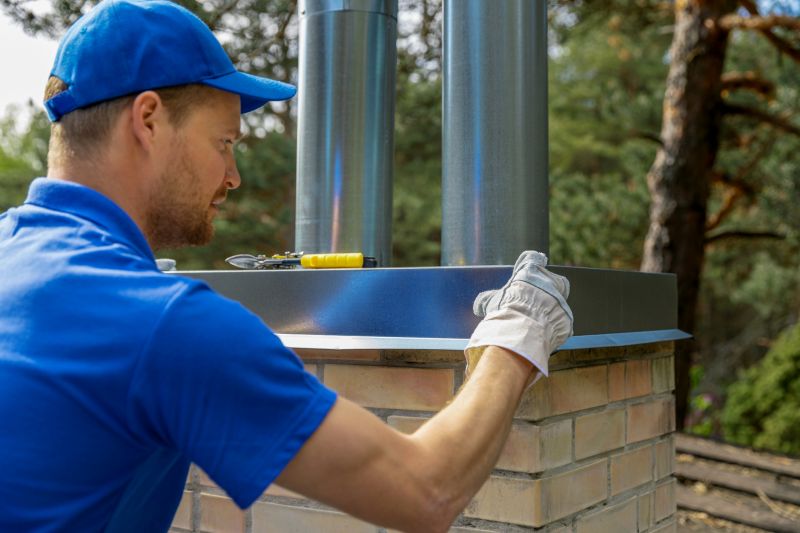
Chimney inspection services are often sought by property owners in Grand Prairie, TX to ensure their fireplaces and heating systems are functioning safely and efficiently. Regular inspections can help identify potential issues such as creosote buildup, blockages, or structural damage that might not be immediately visible. Homeowners may also schedule inspections before the start of the heating season or after experiencing unusual chimney odors or smoke problems, aiming to maintain proper operation and prevent costly repairs.
Additionally, property owners might look for chimney inspections when preparing a home for sale or purchase, as part of routine maintenance, or following severe weather events like storms that could impact the chimney’s integrity. These inspections can help confirm that the chimney meets safety standards and is in good condition, providing peace of mind and supporting the overall safety of the home. Local service providers can assist with thorough assessments and necessary repairs to keep chimneys in proper working order.
What is included in a chimney inspection service? A chimney inspection typically involves examining the interior and exterior of the chimney, checking for blockages, creosote buildup, structural issues, and ensuring proper venting. Local service providers can assess the condition of the chimney and identify any potential problems.
How often should a chimney be inspected? It is recommended to have a chimney inspected at least once a year, especially before the heating season begins. Regular inspections help identify issues early and maintain safe operation.
What are the signs that a chimney needs inspection or repair? Signs include visible damage or cracks, unpleasant odors, smoke backing into the home, excessive creosote buildup, or a decrease in draft efficiency. Contact local pros for a thorough assessment.
What does a chimney inspection typically involve? The process usually includes a visual examination, possibly using specialized cameras, to assess the condition of the chimney liner, masonry, and flue, along with checking for obstructions and buildup.
How can I find local chimney inspection service providers? You can contact local contractors or service providers specializing in chimney inspections to schedule an assessment and ensure your chimney is in proper condition.
Chimney Inspection Services - Professional chimney inspectors assess the condition of chimneys to identify potential issues and ensure safety.
Visual Chimney Checks - Local service providers perform thorough visual inspections to detect cracks, blockages, and structural damage.
Comprehensive Chimney Assessments - Experts evaluate the overall health of chimneys, including flues and liners, to prevent fire hazards and improve efficiency.
Pre-Season Chimney Inspections - Scheduling inspections before the heating season helps maintain chimney safety and performance throughout colder months.
Considering Chimney Inspection Service for a property in Grand Prairie, TX? The sections above highlight common project types, practical options, and details that often shape the scope of work.
When you are ready, use the quote form to share a few details about your project. Local pros can review the basics and respond with options that match what you have in mind.